


Understanding Mental Illnesses

Psychotherapy: Myths and Facts
Psychotherapy is a talk-based therapy for individuals, couples, families, or groups. It helps identify thoughts and emotions, change behavior patterns, treat mental health issues, and improve coping, communication, and decision-making skills.
Learn More
Binge Eating Disorder
Binge eating disorder I characterized by recurrent episodes of uncontrollable overeating, often accompanied by feelings of guilt, shame, and loss of control.
Learn More
Bulimia Nervosa
Bulimia nervosa is characterised by episodes of binge eating followed by compensatory behaviour such as self-induced vomiting, excessive exercise, or the misuse of laxatives or diuretics.
Learn More
Anorexia Nervosa
Anorexia nervosa is an eating disorder marked by intense fear of weight gain, extreme food restriction, and self-starvation. Despite being underweight individuals often see themselves as so overweight.
Learn More
Internet Gaming Disorder
Internet gaming disorder is characterised by persistent use of internet to engage in games leading to disruption in our functioning or causing distress.
Learn More
Gambling Disorder
Gambling disorder, also known as pathological gambling or gambling addiction is a behavioural addiction. It is a disorder characterised by persistent and recurrent need to gamble that causes financial distress and significant disturbance in personal, social, or occupational functioning.
Learn More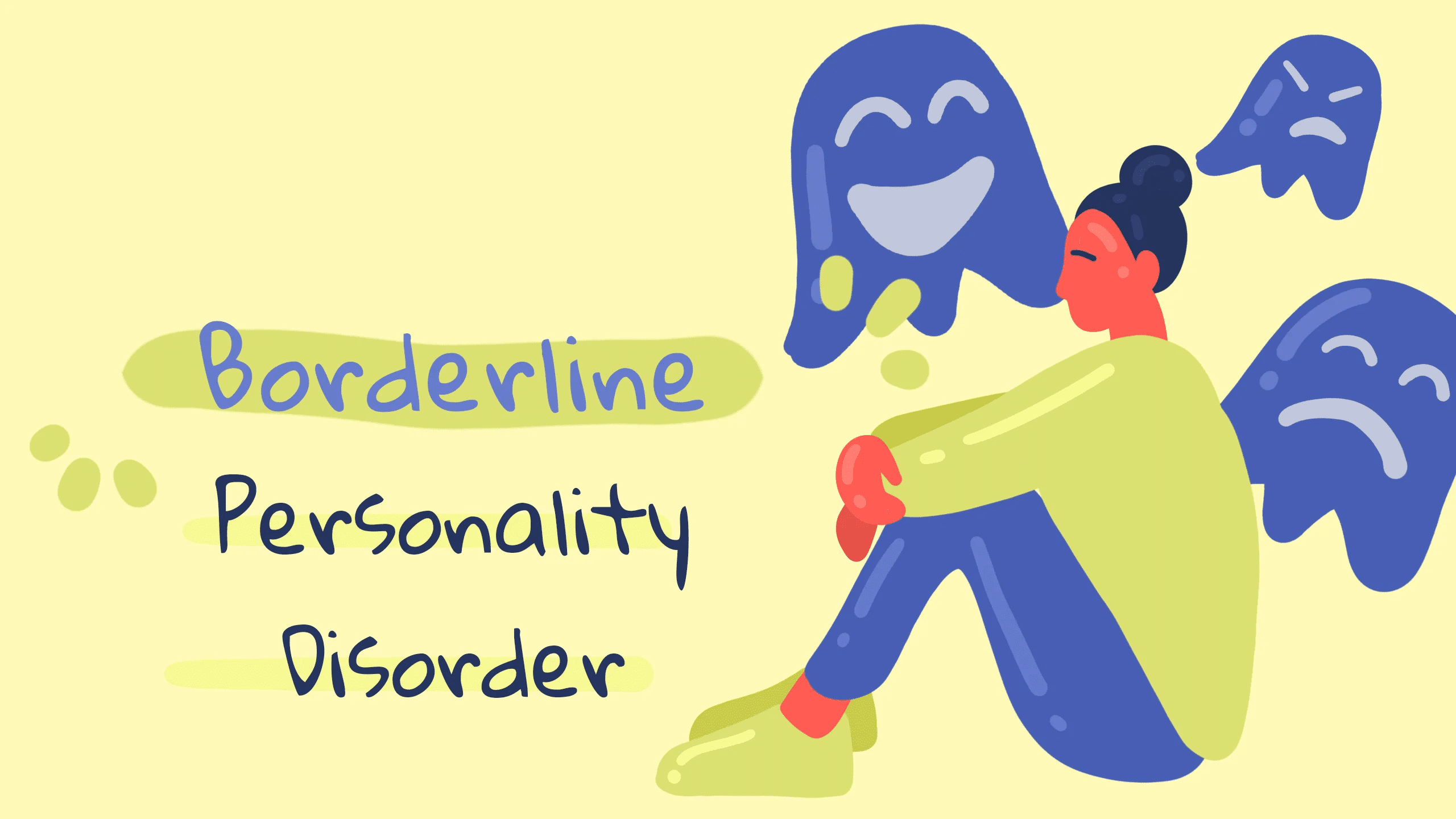
Borderline Personality Disorder
Borderline Personality Disorder is a mental health condition that is characterized by intense emotional instability, difficulties with relationships and self-image. Borderline personality disorder is present in 1 – 2% people.
Learn More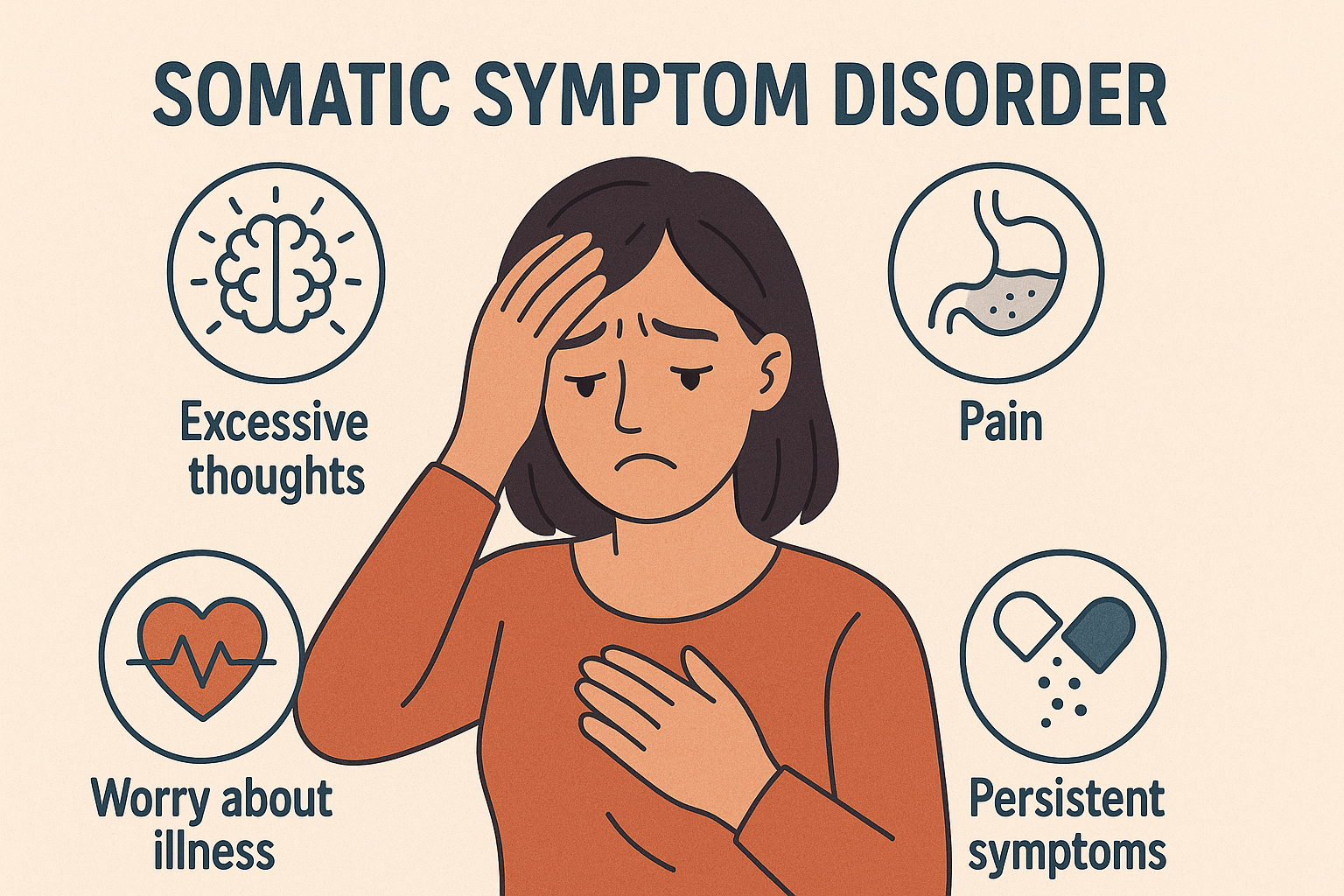
Somatic Symptom Disorder
Somatic symptom disorder is characterized by excessive worry about having a serious medical disease. This fear is based on the person’s misinterpretation of physical symptoms, even though medical tests confirm that there is no serious medical illness.
Learn More
Attention-Deficit / Hyperactivity Disorder
ADHD is characterized by difficulties of inattention, impulsive behaviour, and hyperactivity which interferes in the child’s day to day functioning with respect to academic, behavioural and social domains.
Learn More
Specific Phobia
Specific phobia is an anxiety disorder characterized by an intense fear of a particular object or situation. This fear is either irrational or out of proportion to the actual danger posed by the object. Examples of specific phobias include the fear of spiders, heights, flying and needles.
Learn More
Social Anxiety Disorder
Social anxiety disorder is a characterized by a fear of social situations. These situations may include public speaking, going for an interview or meeting people at a gathering. The fear is not of the situation itself, but rather of being judged or feeling embarrassed in front of other people.
Learn More
Schizophrenia
Schizophrenia is a chronic disorder characterized by symptoms including delusions, hallucinations, and disorganized behaviour. Around 2.4 crore people globally are affected by schizophrenia.
Learn More