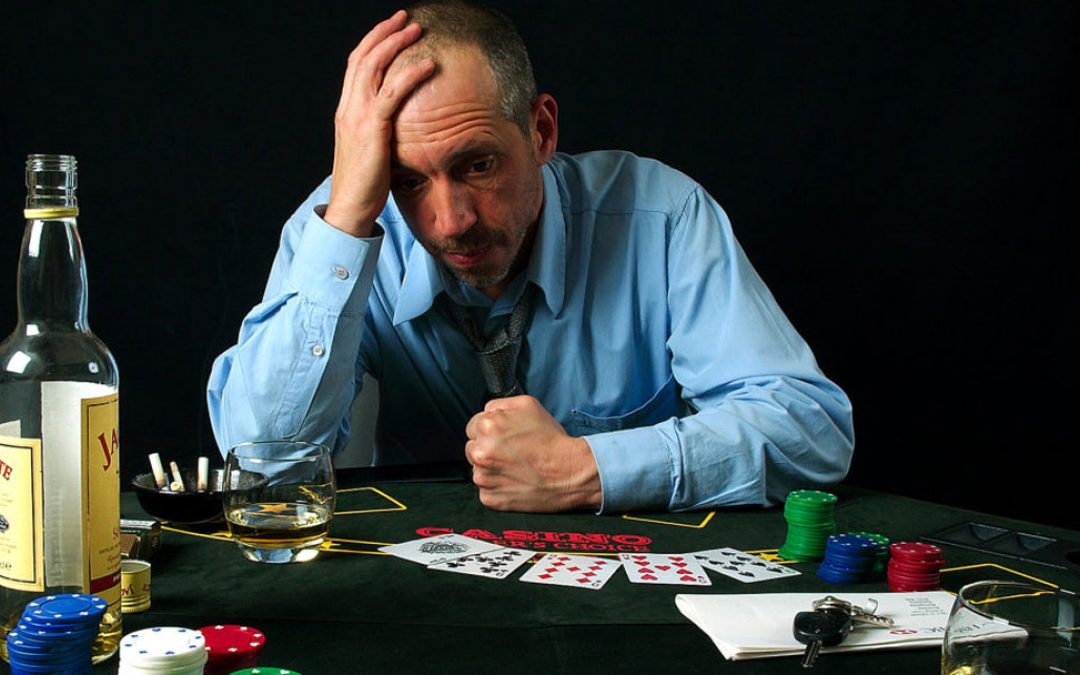
Gambling Disorder
Gambling disorder, also known as pathological gambling or gambling addiction is a behavioural addiction. It is a disorder characterised by...
What is Gambling Disorder?
What is gambling disorder?
Gambling disorder, also known as pathological gambling or gambling addiction is a behavioural addiction. It is a disorder characterised by persistent and recurrent need to gamble that causes financial distress and significant disturbance in personal, social, or occupational functioning.
How to identify Gambling Disorder?
A preoccupation with gambling, there is need to gamble with increased amounts of money to achieve the desired excitement,
Repeated unsuccessful efforts to control, cut back or stop gambling.
Starts as a way to escape problems and recover from losses.
Individuals are prone to lying in order to conceal the extent of the involvement with gambling
Significant disturbance in their personal and professional relationships which occurs due to gambling.
What causes gambling disorder?
Both psychosocial factors and biological factors play a role in gambling disorder. While an imbalance in the level of certain chemicals including the dopamine, serotonin and the noradrenaline have been associated, psychosocial factors are known to trigger gambling disorder.
When to seek help?
It is suggested to seek help when one starts experiencing difficulty with controlling the cycle of gambling and it starts affecting one negatively leading them to withdraw socially and disturbing the occupational aspects of life.
What is the treatment for gambling disorder?
Treatment for gambling disorder requires a comprehensive approach and may include cognitive-behavioral therapy (CBT) which helps identify the faulty thought processes, poor decision making and correct them. One can experience impulse control difficulties along with the comorbid mental health conditions and medications play a role in improving the same. Support groups, and self-help strategies are also play a role in the treatment.