

Schizophrenia
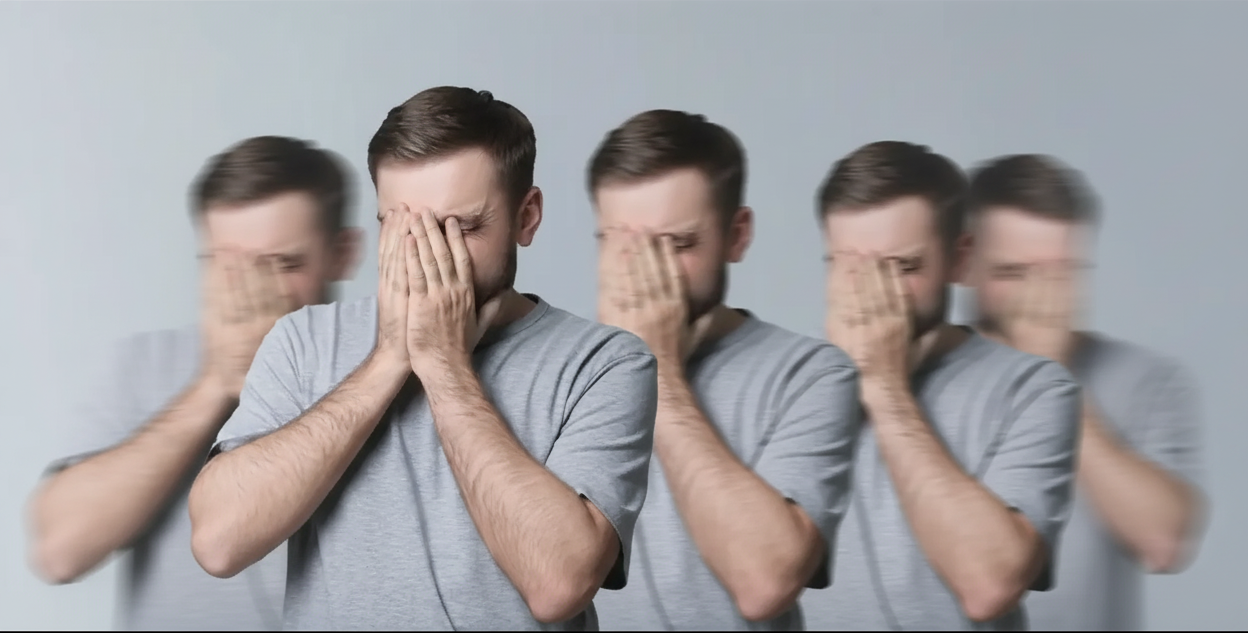
Schizophrenia is a chronic disorder characterized by symptoms including delusions, hallucinations, and disorganized behaviour. Around 2.4 crore people globally are...
What is Schizophrenia?
What is Schizophrenia?
Schizophrenia is a chronic disorder characterized by symptoms including delusions, hallucinations, and disorganized behaviour. Around 2.4 crore people globally are affected by schizophrenia.
How to identify Schizophrenia?
Suspiciousness or mistrust on people
Strong, false beliefs which are not based in reality
Hearing or seeing something that isn’t there
Unusual behaviours or sudden changes in behaviour
Speech that is unclear or difficult to understand
Lack of emotional expression and reduced speech
Staying aloof or withdrawn
What causes Schizophrenia?
Though the exact causes of schizophrenia have not been identified, changes in both brain structure and brain chemistry have been noted in this disease. An imbalance in chemicals like dopamine has been strongly associated with schizophrenia.
When to seek help?
Schizophrenia involves a disconnect between thoughts, emotions and actions. This may result in odd and disturbed behaviours that impact all aspects of life. A salient feature of schizophrenia is that patients lose touch with reality itself. They lack insight and so may not be aware that they have this condition or require treatment. Schizophrenia is a highly misunderstood condition and patients are often at the receiving end of stigma and discrimination. It’s important to remember though that people with this disorder can go on to lead a productive and fulfilling life with timely treatment.
What is the treatment of Schizophrenia?
Anti-psychotic medicines are central to the treatment of schizophrenia. Once the active symptoms of schizophrenia have subsided, psychotherapy can help patients to cope with the condition and manage stressful situations effectively. Supporting family members as they care for the patient is also essential.
Know more about Mental Health
Internet Gaming Disorder
Internet gaming disorder is characterised by persistent use of internet to engage in games leading to disruption in our functioning or causing distress.
Learn More
Anorexia Nervosa
Anorexia nervosa is an eating disorder marked by intense fear of weight gain, extreme food restriction, and self-starvation. Despite being underweight individuals often see themselves as so overweight.
Learn More
Bulimia Nervosa
Bulimia nervosa is characterised by episodes of binge eating followed by compensatory behaviour such as self-induced vomiting, excessive exercise, or the misuse of laxatives or diuretics.
Learn More