

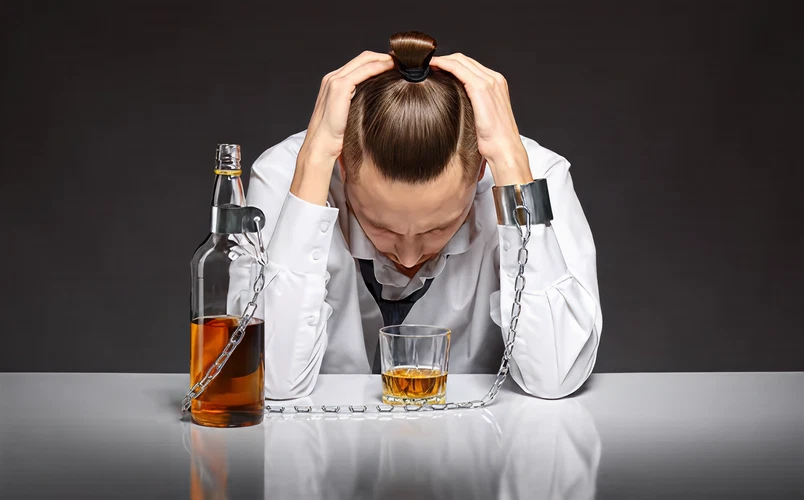
Alcohol Dependence
Alcohol dependence is a medical condition characterized by a strong craving for alcohol, the inability to control alcohol consumption, and...
What is Alcohol Dependence?
What is Alcohol Dependence?
Alcohol dependence is a medical condition characterized by a strong craving for alcohol, the inability to control alcohol consumption, and the development of tolerance and withdrawal symptoms. Alcohol has a serious impact on our physical health, and also leads to problems with relationships, work, and finances.
How to identify alcohol dependence?
Drinking large quantities of alcohol on a regular basis
Needing to drink more and more to get the same effect
Feeling guilty about drinking or getting annoyed by other people’s criticism
Difficulty cutting down alcohol use even after trying
Experiencing withdrawal symptoms in the absence of alcohol
Using alcohol in unsafe situations like driving
Inability to fulfil responsibilities in personal or professional life due to alcohol use
What causes alcohol dependence?
Consuming an alcoholic drink for the first time is choice, but addiction is not. Alcohol is an addictive substance that leads to chemical changes in our brain. It impacts the entire nervous system including centres responsible for the experience of pleasure, judgement and self- control. Eventually, a cycle of craving, tolerance and withdrawal reinforces this addiction.
When to seek help?
Alcohol dependence has a significant impact on a person’s physical as well as mental health. It’s important to recognize that addiction is a disease, not a flaw or weakness of character. It’s important to seek help when alcohol use begins to impact health and well-being, or when a person is unable to quit drinking even after trying to.
What is the treatment of Alcohol Dependence?
The first step towards treating alcohol dependence is detoxification. It is the medical management of withdrawal symptoms the person experiences on quitting alcohol. Motivational enhancement therapy is a form of counselling that helps patients strengthen their commitment to quit and stick with the treatment. As a part of psychotherapy, patients also learn new ways of problem solving and coping with difficult life situations.
Know more about Mental Health

Depression
Depression is an illness characterized by persistent sadness and a loss of pleasure in activities, which negatively impact our day-to-day life. Depression is a common illness, impacting close to 28 crore people worldwide.
Learn More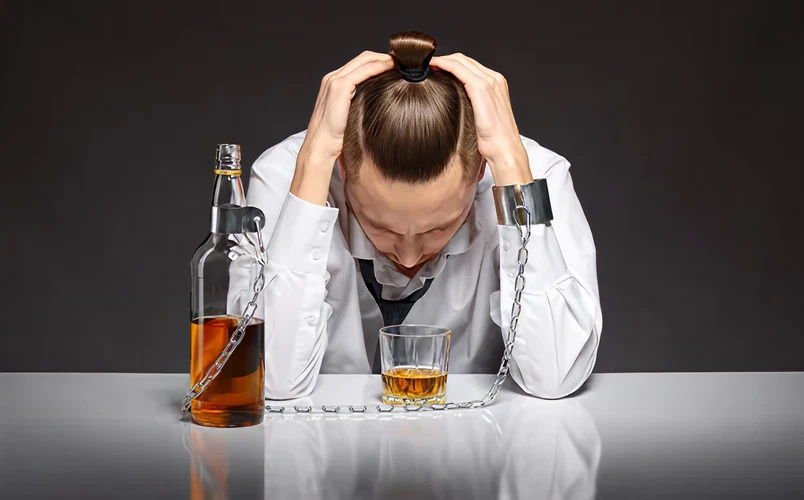
Alcohol Dependence
Alcohol dependence is a medical condition characterized by a strong craving for alcohol, the inability to control alcohol consumption, and the development of tolerance and withdrawal symptoms. Alcohol has a serious impact on our physical health, and also leads to problems with relationships, work, and finances.
Learn More
Bipolar Disorder
Bipolar disorder is a chronic disorder characterized by extreme mood states fluctuating between mania (feeling euphoric, highly energetic and active) and depression (feeling sad, irritable, empty). These moods last for a few days or weeks.
Learn More